What to Pack for Eritrea
Complete packing checklist tailored to Eritrea's climate and culture
Climate Overview for Eritrea
Eritrea's temperate climate is defined by altitude. The highland capital, Asmara, sits over two thousand meters above sea, bringing crisp air and cool nights where you can see your breath. The Red Sea coast, like Massawa, is a world apart, with heavy air that feels like a warm, damp cloth on the skin and smells of salt and drying fish. In the highlands, the sun is intense but the shade is cool, and dust from unpaved roads hangs in the light. The dry season brings relentless sun that bleaches colors, while the short rains can turn paths to mud. Packing for Eritrea means preparing for these sharp contrasts, with layers for the chill of Asmara and breathable fabrics for the coastal humidity.
Clothing & Footwear

The cobbled streets of Asmara and the uneven paths around historical sites in Eritrea demand supportive footwear. You will walk on surfaces that are often hard and irregular.

Water for laundry can be scarce outside major hotels in Eritrea. Quick-dry fabrics allow for easy washing in a sink, ready for the next day's journey.

Eritrea's climate zones require different clothing types. These cubes help separate lightweight coastal wear from warmer highland layers within one bag.

Essential for day trips in Eritrea to carry water, a layer for the highland cool, and purchases from the Asmara market. A packable one saves space when not in use.
Electronics & Gadgets

Eritrea uses European Type C and Type L plugs. A universal adapter ensures you can charge devices in older hotels in Asmara and newer lodgings.

Power outages can occur in Eritrea. A strong power bank is critical for keeping your phone charged for navigation and communication throughout the day.
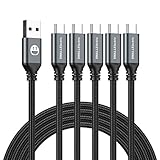
Cables fray. Having spares is wise in Eritrea, where finding specific replacement electronics outside Asmara can be difficult.
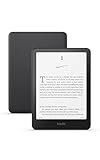
For long evenings in Eritrea, where English-language books are not widely available, an e-reader stocked with guides and novels is a valuable companion.
Hotel rooms in Eritrea often have limited outlets. This lets you charge multiple devices from one point, useful given the variable power supply.
Toiletries & Health

A basic first aid kit is important for Eritrea to handle minor cuts, scrapes, or stomach discomfort, as pharmacies may not stock familiar brands.

Solid bars avoid spills in your bag during travel to Eritrea and work well in areas where liquid water for showering might be limited.

Bring all necessary prescription medications to Eritrea in their original containers. An organizer helps manage doses during long days of travel.
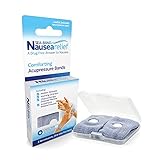
The winding mountain roads between the Eritrean highlands and the coast can induce nausea. These bands offer drug-free relief for sensitive travelers.
Documents & Security

Keeps your visa, passport, and immigration forms for Eritrea organized and protected from digital skimming in transit areas.


Use these to secure checked luggage on flights to Eritrea and to lock hotel room drawers for valuables.
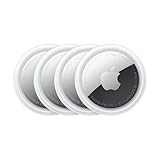
Provides peace of mind for tracking checked bags on complex itineraries to Eritrea, where baggage handling can be less predictable.
Comfort & Convenience
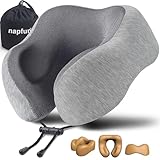
Supports rest on long flights to reach Eritrea and on bumpy road journeys between regions.

Essential for blocking early morning light in Eritrea, where thin curtains are common and the sun rises bright over the highlands.

Muffles the sounds of nocturnal animals, distant calls to prayer, and nighttime activity in Eritrean towns.

Important for staying hydrated in Eritrea's dry climate. Fill it with purified water from your hotel before heading out for the day.

Good for carrying souvenirs from the Asmara market or a spontaneous purchase of fruit from a roadside vendor in Eritrea.
Outdoor & Hiking Gear
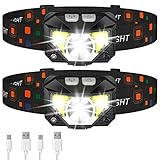
Necessary for early morning starts to see Eritrea's archaeological sites or for navigating areas with unreliable street lighting after dusk.

A precaution for extended trips outside major cities in Eritrea, providing safe drinking water if you are far from reliable bottled sources.
Seasonal Packing Adjustments
What to add or skip depending on when you visit
Dry Season
October, November, December, January, February, March, April, May
Add: Sunscreen with high SPF, Lip balm, Wide-brimmed hat, Sunglasses
Shop Dry Season essentials →The sun in Eritrea is extremely strong during these months. Dust from unpaved roads is pervasive. Consider a scarf to cover your nose and mouth on drives.
Short Rains
June, July, August, September
Add: Lightweight rain jacket, Waterproof bag cover, Quick-dry trousers
Shop Short Rains essentials →Rain showers are brief but can be heavy, mainly in the highlands. Roads, to remote areas in Eritrea, can become muddy and slippery.
Luggage Recommendation
A durable carry-on sized suitcase or a 40L travel backpack is good for Eritrea. You will encounter stairs, uneven pavements, and vehicles with limited trunk space. Soft-sided luggage is easier to manage. Ensure it has reliable wheels or comfortable straps for handling yourself.
Shop Carry-On Luggage on AmazonPro Packing Tips
Practical advice from experienced travelers
Don't Pack
- Heavy winter coats. The highlands of Eritrea are cool, not freezing. A fleece and light jacket are sufficient.
- Large bottles of shampoo or conditioner. You can find basic toiletries at shops in Asmara's main market area if you run out.
- Excessive snacks. Sample the local injera bread and stews. Pack only a few emergency energy bars.
- Voluminous beach towels. Hotels in Eritrea provide them, and they take up considerable luggage space.
- Multiple fancy outfits. Nightlife in Asmara is casual; smart-casual attire is adequate for most restaurants.
- A heavy tripod. It is cumbersome for travel in Eritrea. A mini tripod or Gorillapod is more practical for photography.
Buy Locally
- Local SIM card. Purchase an Eritrean SIM from the Eritrea Telecom office in Asmara. You will need your passport for registration.
- Bottled water. Widely available and affordable at shops across Eritrea. Stock up daily for excursions.
- Traditional shawls or scarves. Found in markets, these are useful for the highland cool and as a sun cover.
- Fresh fruit. Buy seasonal oranges, bananas, or mangoes from roadside stalls for a healthy snack during travels.
Packing Hacks
- Roll clothes instead of folding to save space
- Pack shoes in shower caps to protect clothes
- Use packing cubes to stay organized
- Keep essentials in your carry-on
Continue Planning Your Trip
More guides to help you prepare
Ready to plan your trip to Eritrea?
Now that you've got the research covered, here's where to go next.